5 values for healthy ministry transitions
 Chuck Hunt | Feb 12, 2026
The way you say goodbye affects the way you say hello.
If you are in a position to manage someone at work, chances are you have had to, or will need to, transition someone from one role to another, or perhaps out of their role altogether. These moments in the life of a church (or any organization) are significant. Not only do times of transition impact the individual who is moving on, they also impact the team that remains. The way you treat people will always be more important than what you say (thank you, Maya Angelou!). This is especially true when you’re working with team members who are burned out or on the verge of burning out.
Communicating with and caring for people is essential—especially when burnout leads a leader to step away from ministry. As a leader, the way you handle these delicate situations can either be an investment in the Kingdom and the team's health or a detriment to both. Far too many ministry leaders have stories of being used, abused, and dismissed. For followers of Jesus, NDAs, HR Policies, or even marketplace best practices do not relieve us from the responsibility of compassionate care for our brothers and sisters. The way you say goodbye affects the way you will say hello.
Moving from burnout to blessing
Whether someone you manage is stepping away or simply showing signs of burnout, adopt these five values to make a strategic investment in the health, trust, and stability of your ministry's current and next chapters.
1. Encourage and celebrate
Lack of appreciation is one of the primary reasons why youth leaders burn out. If you oversee a youth leader, stop reading right now and text them a note of thanks or encouragement. (I’ll wait.)
Youth leaders invest time, effort, and energy to ensure that the students in their care discover and follow Jesus in community. Thus, you need to put time, effort, and energy into letting them know their community is grateful for that effort. Encouragement should be a significant item on your church's to-do list. Along with random texts, here are some other ways to encourage and celebrate your subordinates:
- Video Thank-You Card: Create a video featuring students, parents, and members sharing messages of gratitude.
- Public Acknowledgement: Praise them during a church service or in the newsletter, highlighting specific achievements.
- Youth-Led Celebration: Have the students plan a surprise event, like an appreciation dinner.
- Financial Support: Advocate for a pay raise or bonus in the church budget.
- Community "Blessing Box": Set up a box for notes of encouragement from the entire congregation.
2. Communicate clearly
Negative surprises erode trust. As much as it is up to you, there should be no surprises. The question to ask yourself as a manager is, “Have I communicated expectations effectively enough, consistently enough, or in an encouraging manner?” Creating a process of open dialogue is key to making sure that communication builds trust, whether or not you have been clear.
As you well know, you may need to have difficult conversations that involve asking your leader to take some time off if you notice they are heading toward burnout. Those conversations will be so much better if you have been consistent in your communication. Together, you also may discern that it is time for them to shift roles or step down from ministry. If that happens, you’ll be glad you took the time to create and build trust along the way. The outcome may not change, but any negative surprises make an emotionally charged discernment process even more difficult.
To be clear, where abuse or neglect of children and teens, clergy abuse or spiritual manipulation, or any impropriety that requires immediate dismissal are present, it is crucial to work in accordance with your bylaws, HR policies, state laws, and legal advice.
3. Be generous
Be as generous as you can. If your leader needs time off, be generous. If your leader needs to see a therapist, be generous. If your leader needs financial support to step away from ministry and pursue a new calling, be generous.
Each of us is responsible for stewarding the resources we have, and we must do so with integrity. I also believe that we are called to be generous. In Luke 6:37-40, Jesus encourages us to give generously because it will be returned to us “running over.” This applies to the church as much as to individuals—perhaps even more so, given verse 40: “The student is not above the teacher, but everyone who is fully trained will be like their teacher.” Generosity demonstrates kindness even more than clarity ever will.
4. Timely and honoring departure
There is no clear rule as to how long an employee should continue to work when their exit is imminent. Any departure should be both honoring (see #3) and timely, because there is a sweet spot between too short and too long. Youth ministry offers clear seasons of transition that can help the leader and the community walk through a transition well. Timeliness and honor both need to be taken into account to provide a healthy off-ramp for the leader and allow processing time for your team and community. A timely, honoring departure will help answer questions and reduce stress.
5. Goodbye celebrations
When a team member leaves, a thoughtful goodbye or joyful celebration is more than just a formality. Goodbyes are a final chance to honor their contributions to the Kingdom and to the team. A celebration provides a crucial moment of reflection for the team that remains to acknowledge their achievements before diving into transition and a new person and process take over.
Planning opportunities for goodbyes benefits your students and their families, and is a healthy part of the grieving process. Students and families may even want to throw a party, chip in for a goodbye gift, or surprise you with a great idea. Make sure the departing employee has a voice in what’s planned. Their preference may be to gather the team together and share a few heartfelt words or a favorite memory about a key project they worked on together. Or, they may not want those words and prefer a barbecue with some significant people instead. Providing an opportunity for laughter, genuine connection, and celebration of what God has done in and through them is of high value while creating a lasting, positive memory for everyone.
Faithful in farewell
The way a church walks with a youth leader speaks volumes about its culture, values, and faithfulness to Christ’s call to love one another. Finishing well not only impacts the individual who is stepping away but also the community that remains and how they embody grace, gratitude, and compassion. By encouraging and celebrating leaders, communicating clearly, practicing generosity, offering a timely and honoring departure, and creating meaningful goodbyes, we invest in the health of both people and ministry. Leaders who leave feeling cared for and valued set a tone of trust that strengthens the next chapter of ministry. In the end, how we say goodbye is a living testimony of the gospel we proclaim, shaping how our teams, students, and congregations will be ready to say hello to what God has next.
Discover top practices youth leaders recommend to prevent burnout and promote their wellbeing.
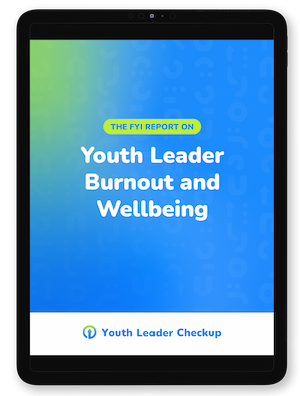
We listened to more than 1,100 youth ministry leaders through surveys and in-depth interviews, and we’re eager to share what we’ve learned. The FYI Report on Youth Leader Burnout & Wellbeing sheds light on common contributors to burnout amongst youth leaders, as well as top practices youth leaders recommend to prevent burnout and promote their wellbeing. You’ll find the latest insights, encouragement from leaders like you, and practical tips for longevity in your ministry.
Complete the form to get immediate access to the report!

Charles Hunt, DMin, is Senior Director of Partnerships and Training for the Fuller Youth Institute. He leads partnerships, consulting, and training that equip churches and ministry leaders to help young people grow in lifelong faith. With more than 30 years of pastoral and leadership experience, Chuck specializes in organizational health, team development, and guiding congregations through seasons of change. A gifted communicator and trusted facilitator, he is passionate about helping diverse leaders cultivate thriving ministries that connect faith to everyday life. Though cleverly disguised as a responsible adult, Chuck still runs, surfs, mountain bikes, and skateboards.
More from this author
More From Us






Sign up for our email today and choose from one of our popular free downloads sent straight to your inbox. Plus, you’ll be the first to know about our sales, offers, and new releases.